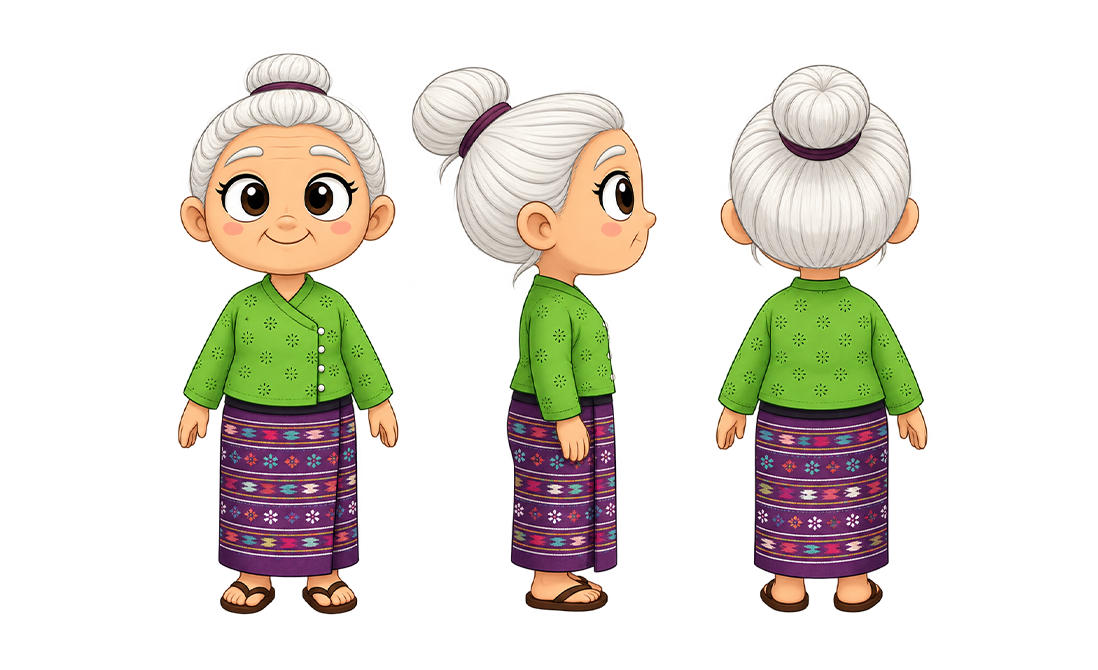
Stock illustrations are ready-made graphics that businesses license from a library. Illustrators create custom illustrations for a specific brand or project. The two differ in cost, flexibility, exclusivity and usage rights.
Libraries license stock artwork to many buyers, so other companies can use the same image. Each license also limits how the artwork can be used. A custom illustrator works from a brief and can match a brand’s style. Ownership depends on the agreement.
This article compares custom vs stock illustration and shows which visuals need custom work.
Custom vs Stock Illustration: Key Differences
Stock illustration is finished artwork that a library licenses. Buyers choose from what exists and cannot request a different pose, scene or style.
Custom illustration starts with a brief. The illustrator and client agree on the subject, style and file formats, then the illustrator sketches the composition and delivers final art.
| Stock illustration | Custom illustration | |
| Exclusivity | Licensed to many buyers | Made for one brand |
| Fit | Fixed subject and style | Matches the brand’s colors, style and subject |
| Consistency | Depends on finding matching artwork | Controlled across a set |
| Speed | Available once purchased | Needs time for sketches, revisions and final files |
| Usage rights | Set by the license | Set by the agreement |
| Cost | Usually lower per image | Usually higher per image |
Semi-custom illustration changes an existing stock illustration to suit a brand, usually its colors, characters or details. It usually costs less than a commission, but the result still depends on the original artwork and its license.
Which Visuals Should Be Custom
The custom vs stock illustration decision works better for each visual than for the brand as a whole. Sorting them into three groups makes the call clearer.
| Group | Visuals | Usual choice | Reason |
| Brand-defining | Mascots and brand characters, homepage hero art, main campaign artwork | Custom | People link these visuals to the brand. Most stock licenses are non-exclusive, so others can use the same artwork. |
| Recurring | Blog headers, icon sets, section illustrations, presentation graphics | Custom for large or long-running sets. Stock if one library covers the need. | These visuals appear together, so they need the same style, line weight and color treatment. |
| High-volume, short-life | Social posts, internal documents, temporary campaigns, placeholders | Stock | Stock is available immediately and costs less per image, and replacing it later costs little. |
Brand-defining visuals carry the most risk with stock. A mascot also needs new poses and formats over time, and a stock file cannot be redrawn on request.
Audit Your Current Illustrations
- List every illustration in use. Cover the website, social profiles, presentations, product pages, documents and ads. Record where each one appears and where it came from: a stock library, a freelancer or an in-house designer.
- Check stock files for duplicates. Run a reverse image search on the most visible images to see whether other sites use the same artwork.
- Compare styles across pages. Look at line weight, color palette, level of detail and character design. Flag pieces that look like they came from different artists.
- Check each stock license. Confirm it covers the current use. Some licenses, including rights-managed ones, limit use by time, region or medium.
- Sort each illustration into the three groups. Replace the brand-defining and most visible problem pieces first.
Keep the results in a simple table with the file name, location, source, license and group.
When to Use Stock Illustrations
Stock illustration works when speed, cost or volume matters more than exclusivity. A buyer can license a file immediately, and the price per image is usually lower than a commission.
Where Stock Works Well
Stock fits visuals that do not need to identify one brand, such as concept art for general articles and illustrations for internal material.
Stock helps during layout work as well. Designers place stock illustrations as placeholders to test spacing and sizing, which shows which spaces need final artwork.
Many libraries sell illustrations as vector files. A designer can recolor and resize a vector file without losing quality, while raster files lose sharpness when enlarged.
Keeping Stock Consistent
These steps reduce style mismatches:
- Stay with one source. Take illustrations from one library collection or one artist’s set. Many stock artists publish sets with a shared style.
- Use one color palette. Recolor vector files to the brand palette where the license allows edits.
- Apply the same treatment. Use the same cropping, scale and background shapes across all illustrations.
- Record the rules. Document approved sets, colors and treatments in the brand style guide.
Edits cannot fix differences in drawing style, perspective or level of detail.
Commissioning Custom Illustration
A commission starts with a written brief. The brief states the subject, purpose, size, file formats, where the artwork will appear, and any brand colors or style references. A complete brief usually reduces revisions.
Most commissions move through four stages:
- Style direction. The illustrator shares sketches or style samples, and the client picks a direction.
- Sketches. The illustrator draws the rough composition, and the client approves it before coloring begins.
- Final art. The illustrator adds color, rendering and detail. Feedback at this stage covers small adjustments.
- Delivery. The illustrator sends the final files named in the agreement.
Start with a core set instead of commissioning every visual at once. The set covers the brand-defining and recurring visuals and fixes the style: colors, line weight and character proportions.
Rates vary by illustrator, scope and usage rights. The 2D Illustrator Hiring Costs guide covers pricing.
Combining Stock and Custom Illustrations
Many brands use both. This works when the custom work sets the rules and the stock follows them. There are three common approaches:
- Split by group. Commission the brand-defining and recurring visuals and license stock for the rest. The custom set becomes the reference for color, line weight and level of detail, and each stock file is chosen or edited to fit it.
- Modify stock. A designer recolors or redraws parts of a stock illustration to match the brand. The license decides which edits are allowed, and its other limits still apply.
- Commission reusable parts. The illustrator draws a character, background elements or an icon set as separate pieces, and a designer arranges them into new scenes. This requires source files and the right to edit the artwork, so the agreement should include both.
Combining the two costs less than an all-custom approach, but it adds work. Someone has to check each stock file against the custom style.
Licensing and Ownership Rights
Buying stock grants permission to use artwork. Commissioning custom work can transfer ownership of it.
Stock Illustration Licenses
The library or artist keeps the copyright, and most stock licenses are non-exclusive, so other buyers can license the same file. The terms also limit use:
- Reach. Standard licenses often cap print runs or audience size. Adobe Stock’s Standard license covers up to 500,000 copies.
- Merchandise. Products sold because of the artwork, such as printed shirts or mugs, usually need an extended or enhanced license.
- Logos and trademarks. Many stock licenses prohibit using the artwork in a logo or trademark.
- Editing. Licenses differ on how much a buyer can modify a file.
Terms differ between libraries and change over time, so read the current license before buying.
Ownership of Custom Illustration
In the US, the illustrator usually owns the copyright in commissioned artwork. The client owns it only if the artwork qualifies as a work made for hire or the illustrator transfers ownership in writing.
An exclusive license limits use to one client, but the illustrator keeps the copyright. A transfer moves ownership to the client.
The agreement should state:
- whether the client receives a transfer or a license, and for a license, the media, regions and time period it covers
- when ownership or the license takes effect, since many agreements wait for full payment
- whether the client can edit the artwork
The Best Illustration Agencies guide lists questions to ask about license type, source files and covered media. This section is general information, not legal advice. A lawyer should review high-value contracts.
How to Choose Between Custom and Stock Illustration
Answer these questions for each visual to see where it belongs.
| Question | If yes |
| Does the visual identify the brand? | Custom |
| Will it stay in use for years? | Custom |
| Will it need new poses, scenes or formats later? | Custom, or a custom set of reusable parts |
| Must the brand own it or register it as a trademark? | Custom |
| Must it match illustrations already in use? | Stock from the same set, or custom in the existing style |
| Is the deadline short? | Stock, or semi-custom |
| Is the budget limited? | Stock, or a small custom core set |
Drawphics provides illustrator services, including character design, for brands that need custom work.
Custom vs Stock Illustration FAQs
Can You Use Stock Illustrations in a Logo?
Usually not. Many stock licenses prohibit using the artwork in a logo or trademark, and other buyers can use the same file. A logo should use artwork the brand owns or controls exclusively.
Can You Mix Custom and Stock Illustration?
Yes. Mixing works when the stock files match the custom style in color, line weight and level of detail.
Can You Edit Stock Illustrations?
It depends on the license. Adobe Stock limits editorial assets to minor adjustments such as cropping and resizing, and other licenses set their own limits. Editing does not change who owns the artwork.